Linen – one of the most sustainable natural fibers

Linen is a natural fiber obtained from the flax plant. It is one of the oldest textile fibers in the world and has been used for thousands of years to produce clothing and fabrics.
Today, linen is considered a particularly sustainable material because the flax plant requires relatively little water and can often be grown without intensive chemical treatment.
Many sustainable fashion brands, such as LANA Organic, also rely on linen because the fiber is durable, breathable, and natural.
How Linen is Made
Linen is obtained from the stalks of the flax plant.
The manufacturing process involves several steps:
- Cultivation of the flax plant
- Harvesting the plants
- Retting (dissolving the fibers from the plant stalk)
- Spinning the fibers into yarn
- Weaving or knitting into fabric
This process is comparatively resource-efficient.
Advantages of Linen
Linen has many qualities that make it a popular material for sustainable clothing.
Very durable
Linen fibers are particularly tear-resistant and hard-wearing.
Breathable
Linen fabrics are cooling and particularly comfortable in summer.
Naturally antibacterial
The fiber can reduce odor-causing bacteria.
Less water consumption
Flax requires significantly less irrigation than cotton.
Linen and Sustainability
The ecological advantage of linen lies primarily in its cultivation.
Flax often grows:
- with little water
- with few pesticides
- on European fields
This results in a lower environmental impact than many other textile fibers.
Difference between Linen and Cotton
| Linen | Cotton |
|---|---|
| obtained from flax | obtained from cotton plant |
| very tear-resistant | softer |
| cooling | temperature-regulating |
| requires less water | higher water requirement |
Many sustainable collections combine both materials to utilize different wearing properties.
Why Sustainable Brands Use Linen
Linen combines several advantages:
- natural origin
- high durability
- timeless look
That's why it is one of the classic materials of sustainable fashion.
LANA Organic also uses linen in selected collections for airy and durable garments.
FAQ on Linen
Is linen sustainable?
Yes. The cultivation of the flax plant usually requires less water and chemicals than many other fibers.
Why does linen wrinkle?
Linen fibers are not very elastic. This causes wrinkles to form more quickly, which are also part of its typical look.
Is linen durable?
Yes. Linen is one of the most robust natural fibers and even gets softer with time.
Collections
-

Baby Basics Made from Organic Cotton – Soft & Natural
Gentle on the skin, thoughtfully designed for everyday life: Our Baby Basics...
-

Summer that lasts – The Spring & Summer Collection 2026
Our Summer 2026 collection combines light silhouettes, natural colors and high-quality materials...
-

Organic Cotton Sleepwear
Discover women's sleepwear made from 100% organic cotton – pleasantly soft, breathable,...


Discover more about us!
-
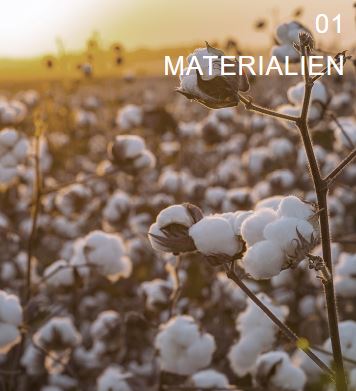 About the materials
What materials do we use?
-
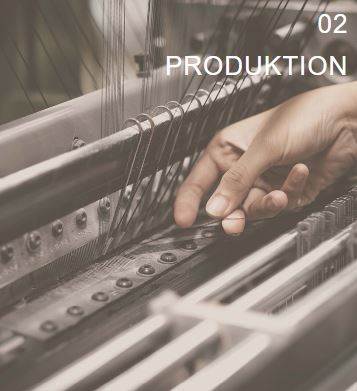 Information about our production
Learn more about our production process
-
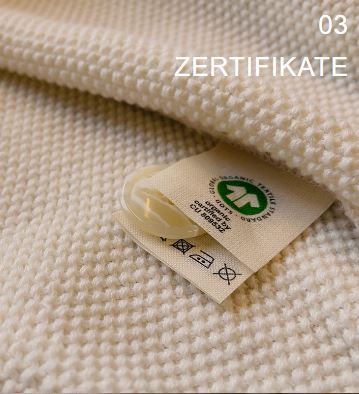 About our certificates
GOTS, vegan - what does that mean?
-
 Information about design and packaging
From the idea to the finished product
-
 Product care tips
This way your favorite piece stays like new for a long time
